Saturday, March 22, 2025

Salzburg, Austria, the City of Mozart and The Sound of Music


Salzburg, Austria, is popularly known as the “City of Mozart” because it is the birthplace of the world-renowned classical composer Wolfgang Amadeus Mozart, who was born in 1756. The city proudly celebrates his life and musical legacy through museums, classical music concerts, festivals, and cultural events. Visitors can explore Mozart’s Birthplace on Getreidegasse, one of Salzburg’s most famous shopping streets, as well as his former residence at Makartplatz. These attractions provide a glimpse into the composer’s childhood, family life, and extraordinary contribution to classical music. Salzburg also hosts the annual Salzburg Festival, an internationally renowned celebration of music, opera, and drama that attracts performers and visitors from around the world.
Salzburg is also famous as the “City of The Sound of Music” because several scenes from the beloved musical film The Sound of Music were filmed in and around the city. The movie tells the story of the real-life von Trapp family, who lived in Salzburg before emigrating to the United States. Today, fans of the film can visit several filming locations, including Mirabell Gardens, Schloss Leopoldskron, and Hellbrunn Palace. Mirabell Gardens is particularly popular for its beautifully landscaped grounds, fountains, and steps featured in the famous “Do-Re-Mi” musical sequence. Schloss Leopoldskron, with its picturesque lakeside setting, and Hellbrunn Palace, known for its elegant architecture and beautiful gardens, are also popular destinations for tourists who want to relive memorable scenes from the movie.

Beyond its musical heritage, Salzburg is admired for its remarkable history, impressive architecture, and scenic surroundings. The Historic Centre of Salzburg was designated a UNESCO World Heritage Site in 1996, recognizing its outstanding Baroque architecture, medieval streets, historic squares, and magnificent churches. The city developed under the influence of powerful prince-archbishops, whose wealth and religious authority shaped Salzburg into one of the most beautiful ecclesiastical cities in Europe. Visitors can admire Salzburg Cathedral, explore the charming narrow streets of the Old Town, and enjoy views of Hohensalzburg Fortress, one of the largest and best-preserved medieval fortresses in Europe. The city's location along the Salzach River, with the Alps providing a dramatic backdrop, adds to its picturesque charm.


For visitors who want to explore Salzburg and its surrounding attractions conveniently, sightseeing bus tours offer an easy way to travel between major landmarks. The Yellow Line covers several attractions within Salzburg, including Mirabellplatz, Hanuschplatz, Herbert-von-Karajan-Platz, Leopoldskron Palace, Hellbrunn Palace, Kleingmain, Justizgebäude, and Mozartsteg. This route is suitable for visitors who want to discover the city's historic sites, gardens, and famous film locations.

The Blue Line extends beyond the city center and explores attractions in the surrounding region. Depending on the route and operating schedule, destinations may include Mirabell Square, Hellbrunn, St. Leonhard and the Untersberg cableway area, Hallein Old Town, the Salzwelten salt mine, the Celtic experience attractions at Dürrnberg, and destinations around Berchtesgaden, including the Eagle’s Nest and Lake Königssee. This route allows travelers to discover the area's rich salt-mining history, beautiful mountain scenery, and traditional Alpine towns. Since some destinations are outside Salzburg and may be subject to seasonal schedules or route changes, visitors should check the current itinerary before purchasing tickets.

The sightseeing bus tour prices listed in this travel guide are €29 for adults and €16 for children. Travelers should confirm the current fares, ticket validity, and included attractions with the tour operator before departure, as prices and routes may change.

Overall, Salzburg offers a wonderful combination of music, history, architecture, and natural beauty. Whether visitors are interested in Mozart's musical legacy, the filming locations of The Sound of Music, the historic Old Town, or the breathtaking scenery of the surrounding Alps, Salzburg provides a memorable cultural and sightseeing experience.

Discovering Gosau, Austria: A Picturesque Alpine Village in the Heart of the Dachstein Mountains


Gosau is a picturesque village in Upper Austria, nestled in the heart of the magnificent Dachstein Mountains and surrounded by the breathtaking landscapes of the Salzkammergut region. Known for its stunning alpine scenery, lush green meadows, towering mountain peaks, and crystal-clear lakes, Gosau is a perfect destination for travelers seeking tranquility, outdoor adventures, and a closer connection with nature. The village is situated along the Gosaubach stream and forms part of the UNESCO-recognized Hallstatt-Dachstein/Salzkammergut cultural landscape, an area celebrated for its exceptional natural beauty and rich cultural heritage.

We visited Gosau a day after exploring the enchanting lakeside village of Hallstatt, which is approximately 14 kilometers away by road. While Hallstatt captivated us with its charming waterfront houses and storybook scenery, Gosau offered a different kind of magic—a peaceful alpine retreat where majestic mountains, verdant pastures, and unspoiled landscapes create a truly unforgettable experience. We stayed at Sonnenalm, located less than two kilometers from Gosau, making it a convenient base for exploring the surrounding countryside and nearby attractions.

my brother Raymond and me

Gosau is particularly popular among hikers, mountaineers, cyclists, and nature lovers because of its extensive network of trails, ranging from leisurely walks through scenic meadows to more challenging mountain hikes. These trails lead visitors through picturesque alpine pastures, dense forests, and spectacular viewpoints overlooking the Dachstein mountain range. One of the area's most iconic attractions is Gosausee, a beautiful mountain lake famous for its remarkably clear waters and magnificent reflections of the rugged Gosaukamm peaks. On a calm day, the scenery is simply mesmerizing, with the mountains mirrored on the lake's surface, creating a postcard-perfect view that is difficult to forget.
Beyond hiking and sightseeing, Gosau offers plenty of opportunities for outdoor recreation throughout the year. Visitors can enjoy guided e-bike tours through the alpine countryside, take the Gosaukammbahn cable car for spectacular mountain views, or explore the surrounding ski areas during winter. The region also features several special places known locally as Glücksplätze, or “places of happiness,” where visitors can pause, appreciate the scenery, and experience the peaceful atmosphere of the Austrian Alps. Places such as Kalvarienberg, Löckernmoos, and the seasonal mountain lake Gosaulacke offer beautiful landscapes and opportunities for quiet reflection, photography, and relaxation.

Things to Do and See in Gosau
  1. Join a guided e-bike tour to the alpine pastures. Cycle through the beautiful countryside, discover traditional mountain scenery, and enjoy panoramic views of the surrounding peaks.
  1. Visit Gosausee Lake. Walk along the lakeshore, admire the dramatic Dachstein mountains reflected in the clear water, or simply relax and take in one of the region's most spectacular natural sights.
  1. Ride the Gosaukammbahn cable car. Enjoy a scenic ascent into the mountains, where panoramic views, alpine hiking trails, and traditional mountain huts await.
  1. Explore the Toerleck ski area. Enjoy the mountain scenery and winter sports opportunities around the Gosau ski slopes.
  1. Visit the Hoehbuehel ski lift area. Discover another part of the local mountain recreation area, particularly appealing during the winter season.
  1. Admire Hoher Dachstein. Marvel at the imposing Dachstein massif, one of the region's most recognizable mountain landmarks and a magnificent backdrop for outdoor adventures.

Raymond, Ayen, Julia, me and James

Perfect Base for Exploring the Salzkammergut

Another advantage of staying in Gosau is its convenient location for day trips to other beautiful destinations in Austria. Hallstatt is an easy excursion for those wishing to explore its historic streets and lakeside charm, while Obertraun offers access to impressive mountain landscapes and attractions near the Dachstein massif. Visitors can also venture to Abtenau for more alpine scenery, Filzmoos and Ramsau am Dachstein for mountain adventures, or Salzburg for a dose of history, culture, architecture, and music.

For us, Gosau was more than just another stop on our Austrian itinerary. It was a place where we could slow down, breathe in the fresh mountain air, and appreciate the extraordinary beauty of the Austrian Alps. Its peaceful atmosphere, magnificent landscapes, and proximity to some of Austria's most beloved destinations make it a wonderful alternative to busier tourist towns. Whether you come for the hiking trails, the pristine mountain lakes, the panoramic views, or simply the opportunity to escape into nature, Gosau is a destination that deserves a place on any Austrian travel itinerary.

our accommodation in Sonnenalm

The 100 Euro/night accommodation in Sonnenalm 

leaving Gosau

Monday, January 27, 2025

Hallstatt, Austria


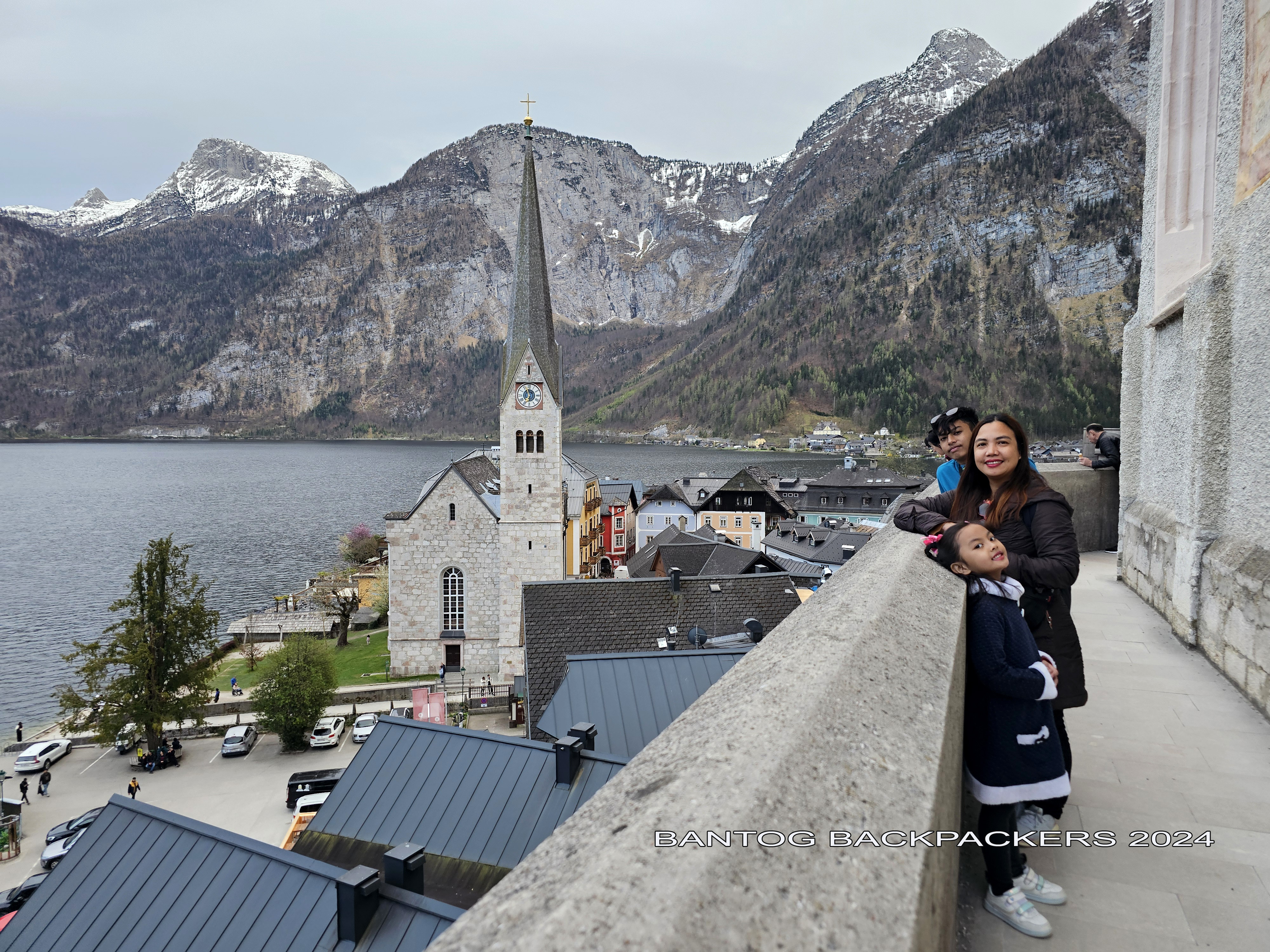
Hallstatt is a picturesque lakeside village in the Salzkammergut region of Upper Austria, surrounded by the magnificent Austrian Alps. It is famous for its breathtaking combination of towering mountains, crystal-clear Lake Hallstatt, historic churches, and charming houses built along the lakeshore. Because of its fairytale-like scenery, Hallstatt is often described as one of the most beautiful villages in Europe. Its appearance has also frequently been compared with the fictional kingdom of Arendelle from Disney’s Frozen, although there is no official confirmation that Hallstatt directly inspired the movie.
Beyond its beauty, Hallstatt is a place of remarkable historical importance. The village and the surrounding region have a history of human settlement and salt mining stretching back thousands of years. Archaeological evidence shows that salt was being exploited in the area as early as the Bronze Age, while underground salt mining developed during prehistoric times. Salt was extremely valuable and was sometimes called “white gold.” The importance of salt mining was so great that the name “Hallstatt” itself is associated with salt, and the area gave its name to the Hallstatt Culture, an important Iron Age culture that flourished in Central Europe.
Before Hallstatt became a world-famous tourist destination, the local economy was closely connected to salt mining, farming, forestry, and traditional Alpine life. For centuries, the difficult mountainous landscape made transportation challenging. Visitors and residents once had to travel by boat or along narrow paths around the lake. Modern transportation gradually made Hallstatt more accessible: a road was completed in the 19th century, followed by the railway in 1877.

Hallstatt's unique combination of natural beauty and cultural heritage led to its inclusion in the UNESCO Hallstatt-Dachstein/Salzkammergut Cultural Landscape in 1997. UNESCO recognizes the region for its exceptional Alpine landscape and its long history of salt extraction and human settlement. The landscape demonstrates how people and nature have interacted for thousands of years
  

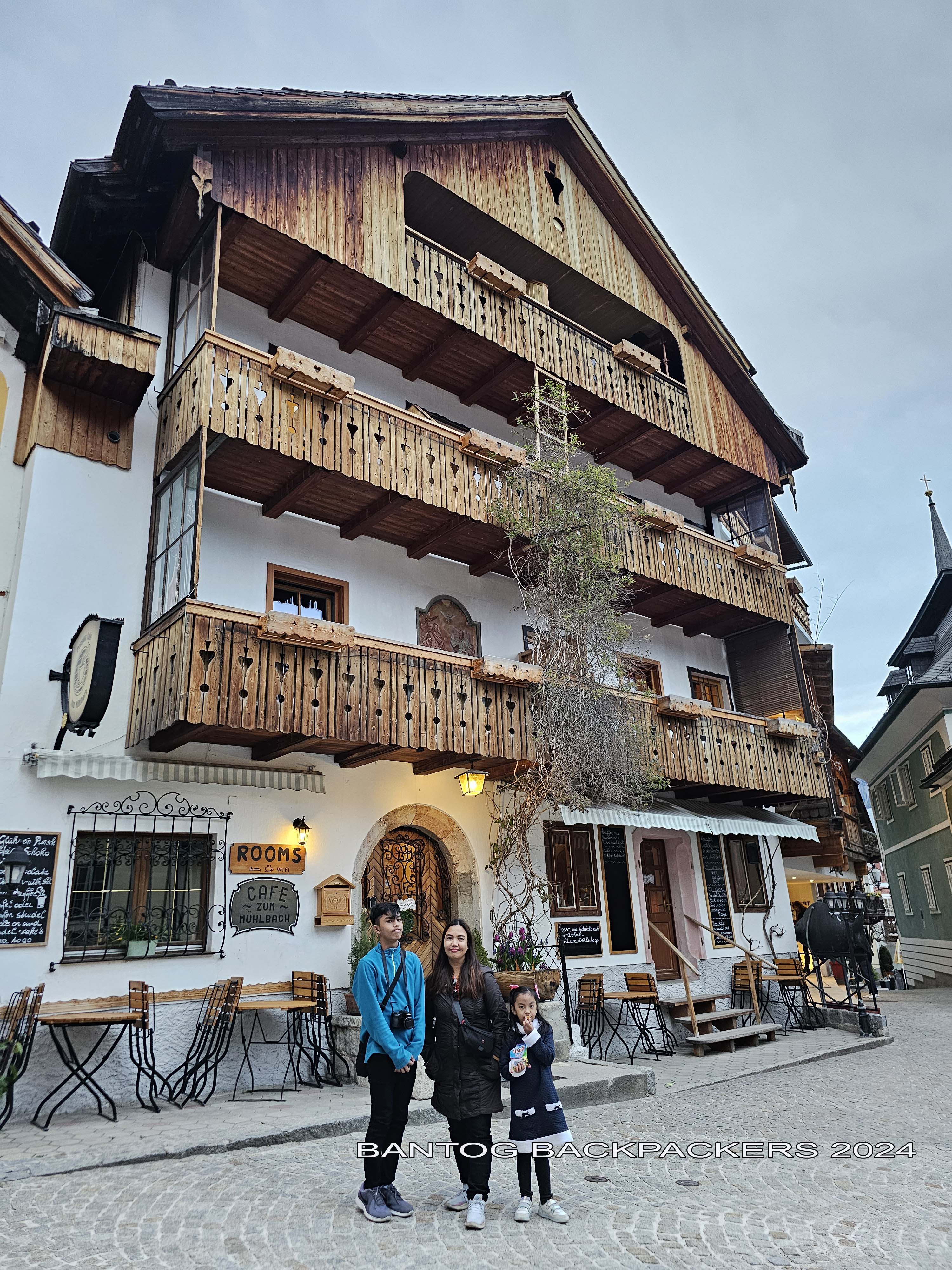
Walking through the Old Town of Hallstatt is like stepping into a postcard. Visitors can see colorful historic houses, narrow streets, traditional wooden buildings, and beautiful views of the lake and surrounding mountains. The Market Square (Marktplatz) is one of the most recognizable areas of the village, with its historic buildings, cafés, restaurants, and the Holy Trinity Fountain at its center.
One of Hallstatt's most fascinating attractions is the Hallstatt Ossuary, located in St. Michael's Chapel. The small chapel contains hundreds of decorated human skulls and bones, reflecting the community's distinctive burial traditions and the limited space available in the historic cemetery. Another important landmark is the Parish Church of the Assumption of Mary, which stands above the village and is known for its historic architecture and religious artwork.
Hallstatt also offers spectacular natural attractions. The Hallstatt Skywalk provides panoramic views over the village, Lake Hallstatt, and the surrounding Alpine landscape. Visitors can also explore the historic salt mines, where they can learn about the region's ancient mining traditions. The World Heritage Museum provides another opportunity to discover Hallstatt's approximately 7,000-year history, including its prehistoric settlement, salt mining, archaeology, and cultural development.

For visitors who enjoy nature, Waldbachstrub Waterfalls offer a beautiful excursion outside the village, while Badestrand Hallstatt provides an opportunity to enjoy the lakeside scenery. The surrounding Salzkammergut region is also known for its Alpine hiking trails, lakes, forests, and spectacular mountain landscapes.
Today, Hallstatt is internationally recognized not only for its beautiful scenery but also for its extraordinary connection between nature, history, archaeology, and traditional Alpine culture. Although it is a small village, its thousands of years of salt-mining history and its UNESCO World Heritage status have made it one of Austria's most famous cultural destinations.

Things to Do and See in Hallstatt

  1. Hallstatt Skywalk – Enjoy panoramic views of the village, Lake Hallstatt, and the Alps.

  2. Market Square (Marktplatz) – Explore the historic center of the village and its charming surrounding buildings.

  3. Hallstatt Ossuary – Visit the historic bone house at St. Michael's Chapel.

  4. Parish Church of the Assumption of Mary – See one of Hallstatt's historic churches and its religious artwork.

  5. Badestrand Hallstatt – Relax beside Lake Hallstatt and enjoy the Alpine scenery.

  6. World Heritage Museum Hallstatt – Learn about approximately 7,000 years of Hallstatt's history and culture.

  7. Waldbachstrub Waterfalls – Discover a scenic natural attraction surrounded by Alpine landscape.

  8. Hallstatt Salt Mine – Explore the area's ancient salt-mining heritage and learn how “white gold” shaped the community.

  9. Lake Hallstatt – Enjoy the spectacular views of the lake, mountains, and village from the waterfront.

  10. Explore the Old Town – Walk through the narrow streets and admire Hallstatt's traditional houses and historic architecture.                                                                                                                            

Monday, January 20, 2025

Rothenburg ob der Tauber, Germany


Rothenburg ob der Tauber: Walking Into a Fairytale

Are you willing to walk into a fairytale?

If you are looking for a place where you can almost feel as though you have stepped back in time, then Rothenburg ob der Tauber in Germany should definitely be on your list. Often regarded as one of Germany’s most picturesque medieval towns, Rothenburg is famous for its remarkably well-preserved Old Town, historic city walls, half-timbered houses, cobblestone streets, towers, gates, and charming little squares. It is one of those places where every turn seems to reveal another postcard-perfect view.
But there is one important thing to remember when planning your trip: make sure you are going to Rothenburg ob der Tauber. Germany has several places with similar names, including Rothenburg and Rottenburg, so the full name will help you avoid ending up in the wrong destination!

Located in Middle Franconia in the state of Bavaria, Rothenburg ob der Tauber sits on a hill overlooking the Tauber Valley and is one of the highlights of Germany's famous Romantic Road (Romantische Straße). The Romantic Road stretches between Würzburg and Füssen and is known for its medieval towns, picturesque landscapes, historic buildings, and fairytale-like castles.

A Town Frozen in Time

Walking through Rothenburg’s Old Town truly feels like stepping into another era. Its medieval character has been remarkably preserved, with narrow lanes, colorful half-timbered houses, fountains, old town gates, and an impressive system of fortified walls and towers. The city has 46 towers, and visitors can even walk along portions of the historic town wall while enjoying views over the rooftops and the surrounding Tauber Valley.

The most recognizable landmark is undoubtedly Plönlein, the small triangular area where two historic streets meet, framed by a yellow half-timbered house and two towers. The name has become almost synonymous with Rothenburg itself. The town's official tourism website notes that the Plönlein served as a model for one of the buildings depicted in Walt Disney's 1940 animated classic Pinocchio.

And that is what makes Rothenburg so fascinating: it is touristy, yes, but it still feels as though time has stood still.

The Old Town is filled with places worth exploring, including the Market Square and Town Hall, St. James' Church, the historic city gates, the Spital Quarter, and the Medieval Crime and Justice Museum. One can easily spend an entire day simply wandering through the streets, discovering hidden courtyards, little shops, cafés, and beautifully preserved houses.

Another interesting experience is climbing the Town Hall Tower. There are 220 steps to the viewing platform, but the effort is rewarded with a spectacular panoramic view of Rothenburg's Old Town and the countryside beyond.
A Personal Connection

One of the most memorable parts of our visit was having the opportunity to speak with the son of a host family connected with Pope Francis' time in Germany.

Jorge Mario Bergoglio, who later became Pope Francis, spent time in Germany while studying and learning German. According to the Goethe-Institut, he attended the Goethe-Institut in Boppard in 1985, where he stayed with a local host family. That personal connection made our visit even more meaningful. Beyond the beautiful buildings and famous landmarks, stories like this remind us that historic places are also made up of personal encounters, memories, and connections between people.

How to Get to Rothenburg ob der Tauber?

Rothenburg ob der Tauber can be reached by train from several nearby German cities. If you are traveling from Würzburg or Ansbach, a train connection generally involves changing at Steinach (near Rothenburg) before continuing to Rothenburg ob der Tauber.

For those traveling by car, Rothenburg is conveniently accessible from the A7 motorway.  Take the Rothenburg ob der Tauber exit, and from there it is only a short drive to the historic town.

In 2024, Rothenburg celebrated the 750th anniversary of this historic status with a six-month program of events and celebrations. The anniversary was an opportunity to look back at the city's long history and its remarkable transformation over the centuries.
Rothenburg also experienced difficult periods, including destruction during the Thirty Years' War. Later, its imperial status came to an end when the city became part of Bavaria during the Napoleonic era. Despite the hardships it experienced, much of its historic character survived, allowing visitors today to experience one of Germany's most recognizable medieval townscapes.


A Favorite of Filmmakers and Storytellers

It is easy to understand why Rothenburg has captured the imagination of artists and filmmakers. Its distinctive architecture has provided inspiration for fantasy and fairytale settings.

The town's connection to Disney's Pinocchio is particularly famous. The iconic Plönlein was used as a visual model for one of the buildings in the 1940 animated film.


Rothenburg has also been associated with other film productions, including Chitty Chitty Bang Bang and Harry Potter and the Deathly Hallows. Even when you are simply walking through the town, it is easy to imagine yourself inside a movie set.

A Place Worth Experiencing

Rothenburg ob der Tauber is more than just a beautiful tourist destination. It is a place where history, architecture, culture, and storytelling come together. From the iconic Plönlein and medieval town walls to the winding cobblestone streets and colorful half-timbered houses, the town offers the rare feeling of walking through a living medieval postcard.

It may be popular and busy, especially during peak tourist seasons, but once you wander away from the main streets and discover its quieter corners, you can still appreciate the atmosphere that has made Rothenburg famous around the world.

So, are you willing to walk into a fairytale?

Then put Rothenburg ob der Tauber on your German itinerary. Just remember to type the full name when searching for it—you definitely don't want to end up in the wrong Rothenburg!


Bantog Backpackers 2016. Powered by Blogger.