Monday, January 27, 2025

Hallstatt, Austria


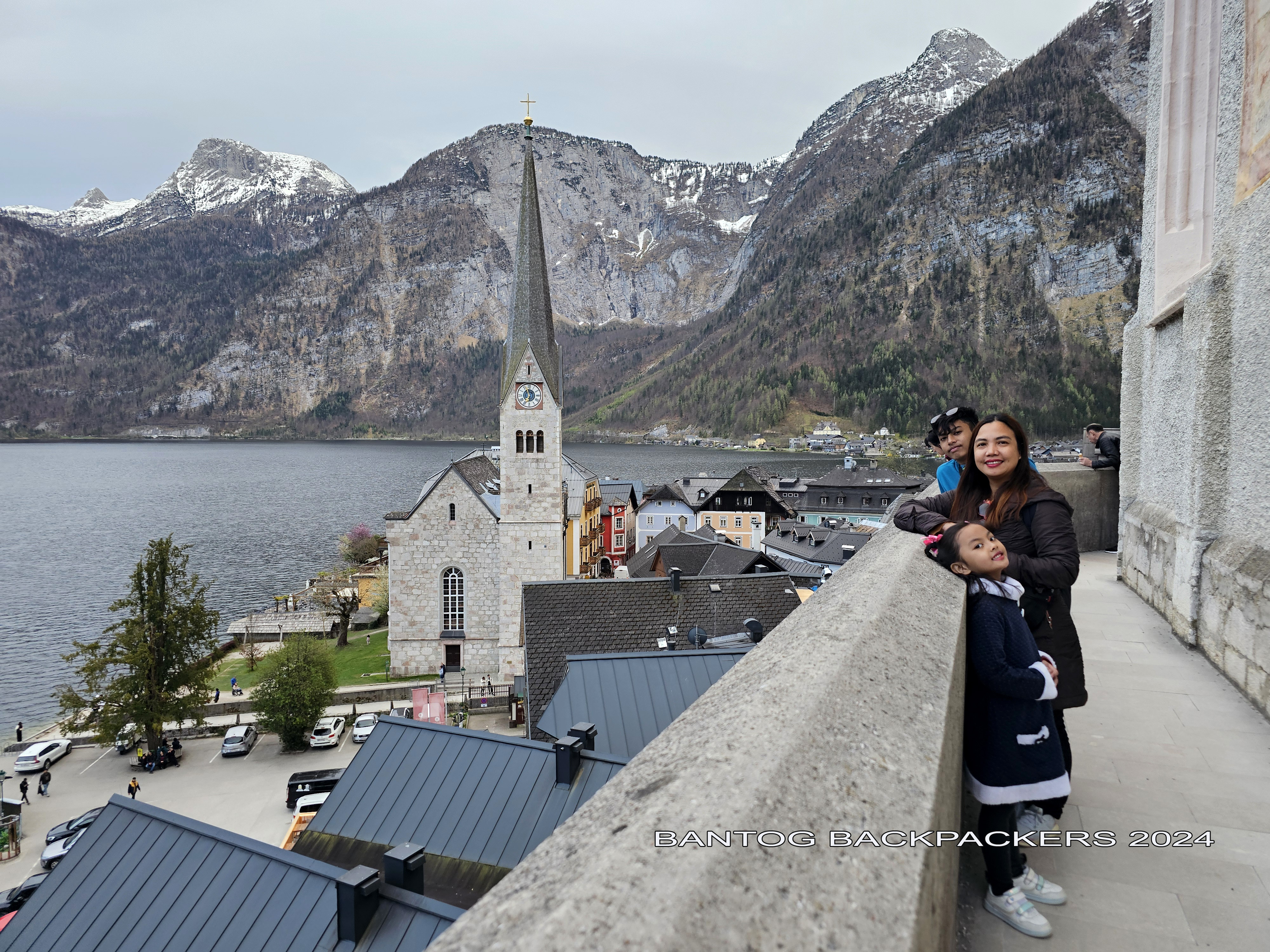
Hallstatt is a picturesque lakeside village in the Salzkammergut region of Upper Austria, surrounded by the magnificent Austrian Alps. It is famous for its breathtaking combination of towering mountains, crystal-clear Lake Hallstatt, historic churches, and charming houses built along the lakeshore. Because of its fairytale-like scenery, Hallstatt is often described as one of the most beautiful villages in Europe. Its appearance has also frequently been compared with the fictional kingdom of Arendelle from Disney’s Frozen, although there is no official confirmation that Hallstatt directly inspired the movie.
Beyond its beauty, Hallstatt is a place of remarkable historical importance. The village and the surrounding region have a history of human settlement and salt mining stretching back thousands of years. Archaeological evidence shows that salt was being exploited in the area as early as the Bronze Age, while underground salt mining developed during prehistoric times. Salt was extremely valuable and was sometimes called “white gold.” The importance of salt mining was so great that the name “Hallstatt” itself is associated with salt, and the area gave its name to the Hallstatt Culture, an important Iron Age culture that flourished in Central Europe.
Before Hallstatt became a world-famous tourist destination, the local economy was closely connected to salt mining, farming, forestry, and traditional Alpine life. For centuries, the difficult mountainous landscape made transportation challenging. Visitors and residents once had to travel by boat or along narrow paths around the lake. Modern transportation gradually made Hallstatt more accessible: a road was completed in the 19th century, followed by the railway in 1877.

Hallstatt's unique combination of natural beauty and cultural heritage led to its inclusion in the UNESCO Hallstatt-Dachstein/Salzkammergut Cultural Landscape in 1997. UNESCO recognizes the region for its exceptional Alpine landscape and its long history of salt extraction and human settlement. The landscape demonstrates how people and nature have interacted for thousands of years
  

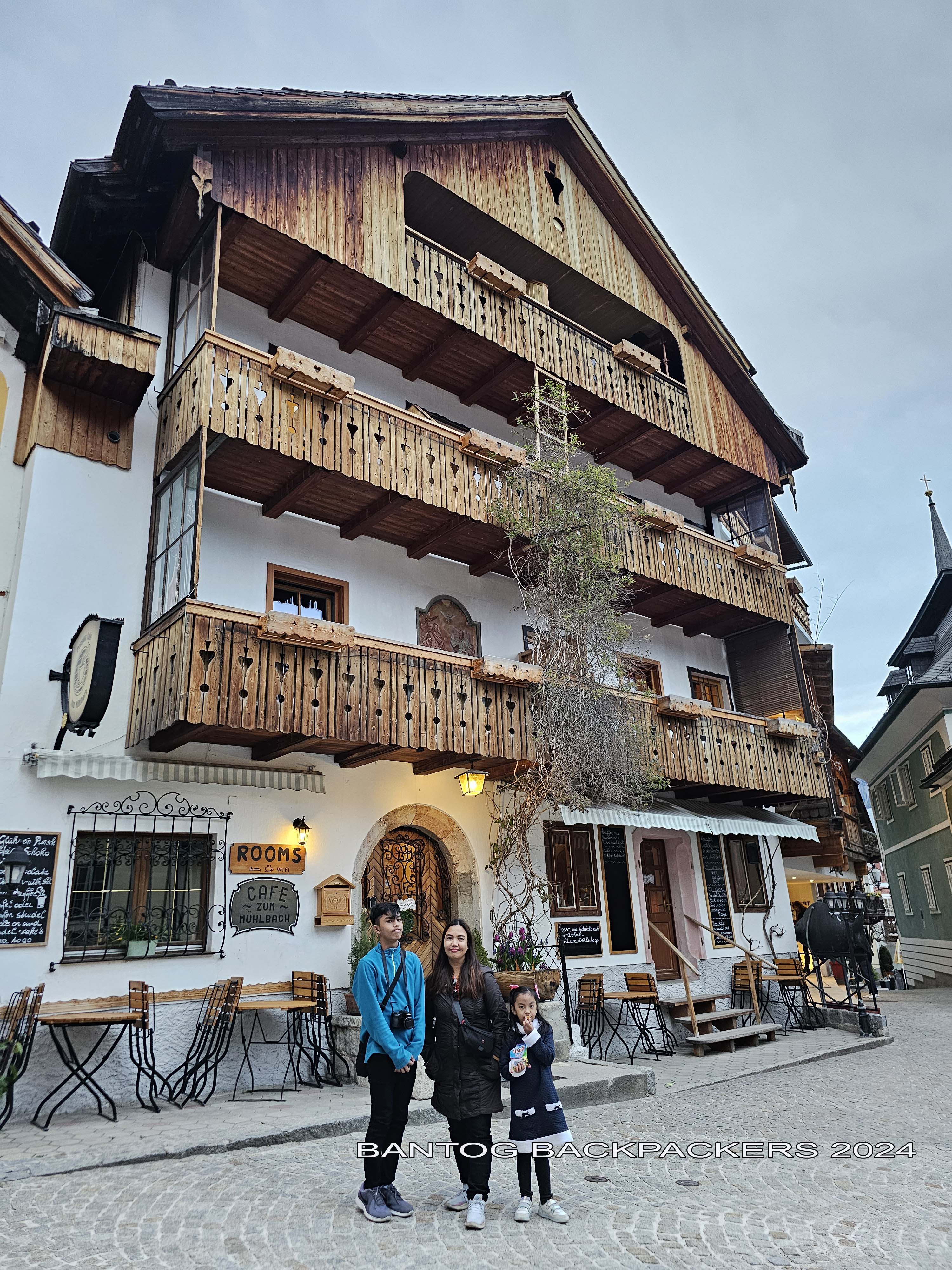
Walking through the Old Town of Hallstatt is like stepping into a postcard. Visitors can see colorful historic houses, narrow streets, traditional wooden buildings, and beautiful views of the lake and surrounding mountains. The Market Square (Marktplatz) is one of the most recognizable areas of the village, with its historic buildings, cafés, restaurants, and the Holy Trinity Fountain at its center.
One of Hallstatt's most fascinating attractions is the Hallstatt Ossuary, located in St. Michael's Chapel. The small chapel contains hundreds of decorated human skulls and bones, reflecting the community's distinctive burial traditions and the limited space available in the historic cemetery. Another important landmark is the Parish Church of the Assumption of Mary, which stands above the village and is known for its historic architecture and religious artwork.
Hallstatt also offers spectacular natural attractions. The Hallstatt Skywalk provides panoramic views over the village, Lake Hallstatt, and the surrounding Alpine landscape. Visitors can also explore the historic salt mines, where they can learn about the region's ancient mining traditions. The World Heritage Museum provides another opportunity to discover Hallstatt's approximately 7,000-year history, including its prehistoric settlement, salt mining, archaeology, and cultural development.

For visitors who enjoy nature, Waldbachstrub Waterfalls offer a beautiful excursion outside the village, while Badestrand Hallstatt provides an opportunity to enjoy the lakeside scenery. The surrounding Salzkammergut region is also known for its Alpine hiking trails, lakes, forests, and spectacular mountain landscapes.
Today, Hallstatt is internationally recognized not only for its beautiful scenery but also for its extraordinary connection between nature, history, archaeology, and traditional Alpine culture. Although it is a small village, its thousands of years of salt-mining history and its UNESCO World Heritage status have made it one of Austria's most famous cultural destinations.

Things to Do and See in Hallstatt

  1. Hallstatt Skywalk – Enjoy panoramic views of the village, Lake Hallstatt, and the Alps.

  2. Market Square (Marktplatz) – Explore the historic center of the village and its charming surrounding buildings.

  3. Hallstatt Ossuary – Visit the historic bone house at St. Michael's Chapel.

  4. Parish Church of the Assumption of Mary – See one of Hallstatt's historic churches and its religious artwork.

  5. Badestrand Hallstatt – Relax beside Lake Hallstatt and enjoy the Alpine scenery.

  6. World Heritage Museum Hallstatt – Learn about approximately 7,000 years of Hallstatt's history and culture.

  7. Waldbachstrub Waterfalls – Discover a scenic natural attraction surrounded by Alpine landscape.

  8. Hallstatt Salt Mine – Explore the area's ancient salt-mining heritage and learn how “white gold” shaped the community.

  9. Lake Hallstatt – Enjoy the spectacular views of the lake, mountains, and village from the waterfront.

  10. Explore the Old Town – Walk through the narrow streets and admire Hallstatt's traditional houses and historic architecture.                                                                                                                            

Monday, January 20, 2025

Rothenburg ob der Tauber, Germany


Rothenburg ob der Tauber: Walking Into a Fairytale

Are you willing to walk into a fairytale?

If you are looking for a place where you can almost feel as though you have stepped back in time, then Rothenburg ob der Tauber in Germany should definitely be on your list. Often regarded as one of Germany’s most picturesque medieval towns, Rothenburg is famous for its remarkably well-preserved Old Town, historic city walls, half-timbered houses, cobblestone streets, towers, gates, and charming little squares. It is one of those places where every turn seems to reveal another postcard-perfect view.
But there is one important thing to remember when planning your trip: make sure you are going to Rothenburg ob der Tauber. Germany has several places with similar names, including Rothenburg and Rottenburg, so the full name will help you avoid ending up in the wrong destination!

Located in Middle Franconia in the state of Bavaria, Rothenburg ob der Tauber sits on a hill overlooking the Tauber Valley and is one of the highlights of Germany's famous Romantic Road (Romantische Straße). The Romantic Road stretches between Würzburg and Füssen and is known for its medieval towns, picturesque landscapes, historic buildings, and fairytale-like castles.

A Town Frozen in Time

Walking through Rothenburg’s Old Town truly feels like stepping into another era. Its medieval character has been remarkably preserved, with narrow lanes, colorful half-timbered houses, fountains, old town gates, and an impressive system of fortified walls and towers. The city has 46 towers, and visitors can even walk along portions of the historic town wall while enjoying views over the rooftops and the surrounding Tauber Valley.

The most recognizable landmark is undoubtedly Plönlein, the small triangular area where two historic streets meet, framed by a yellow half-timbered house and two towers. The name has become almost synonymous with Rothenburg itself. The town's official tourism website notes that the Plönlein served as a model for one of the buildings depicted in Walt Disney's 1940 animated classic Pinocchio.

And that is what makes Rothenburg so fascinating: it is touristy, yes, but it still feels as though time has stood still.

The Old Town is filled with places worth exploring, including the Market Square and Town Hall, St. James' Church, the historic city gates, the Spital Quarter, and the Medieval Crime and Justice Museum. One can easily spend an entire day simply wandering through the streets, discovering hidden courtyards, little shops, cafés, and beautifully preserved houses.

Another interesting experience is climbing the Town Hall Tower. There are 220 steps to the viewing platform, but the effort is rewarded with a spectacular panoramic view of Rothenburg's Old Town and the countryside beyond.
A Personal Connection

One of the most memorable parts of our visit was having the opportunity to speak with the son of a host family connected with Pope Francis' time in Germany.

Jorge Mario Bergoglio, who later became Pope Francis, spent time in Germany while studying and learning German. According to the Goethe-Institut, he attended the Goethe-Institut in Boppard in 1985, where he stayed with a local host family. That personal connection made our visit even more meaningful. Beyond the beautiful buildings and famous landmarks, stories like this remind us that historic places are also made up of personal encounters, memories, and connections between people.

How to Get to Rothenburg ob der Tauber?

Rothenburg ob der Tauber can be reached by train from several nearby German cities. If you are traveling from Würzburg or Ansbach, a train connection generally involves changing at Steinach (near Rothenburg) before continuing to Rothenburg ob der Tauber.

For those traveling by car, Rothenburg is conveniently accessible from the A7 motorway.  Take the Rothenburg ob der Tauber exit, and from there it is only a short drive to the historic town.

In 2024, Rothenburg celebrated the 750th anniversary of this historic status with a six-month program of events and celebrations. The anniversary was an opportunity to look back at the city's long history and its remarkable transformation over the centuries.
Rothenburg also experienced difficult periods, including destruction during the Thirty Years' War. Later, its imperial status came to an end when the city became part of Bavaria during the Napoleonic era. Despite the hardships it experienced, much of its historic character survived, allowing visitors today to experience one of Germany's most recognizable medieval townscapes.


A Favorite of Filmmakers and Storytellers

It is easy to understand why Rothenburg has captured the imagination of artists and filmmakers. Its distinctive architecture has provided inspiration for fantasy and fairytale settings.

The town's connection to Disney's Pinocchio is particularly famous. The iconic Plönlein was used as a visual model for one of the buildings in the 1940 animated film.


Rothenburg has also been associated with other film productions, including Chitty Chitty Bang Bang and Harry Potter and the Deathly Hallows. Even when you are simply walking through the town, it is easy to imagine yourself inside a movie set.

A Place Worth Experiencing

Rothenburg ob der Tauber is more than just a beautiful tourist destination. It is a place where history, architecture, culture, and storytelling come together. From the iconic Plönlein and medieval town walls to the winding cobblestone streets and colorful half-timbered houses, the town offers the rare feeling of walking through a living medieval postcard.

It may be popular and busy, especially during peak tourist seasons, but once you wander away from the main streets and discover its quieter corners, you can still appreciate the atmosphere that has made Rothenburg famous around the world.

So, are you willing to walk into a fairytale?

Then put Rothenburg ob der Tauber on your German itinerary. Just remember to type the full name when searching for it—you definitely don't want to end up in the wrong Rothenburg!


Bantog Backpackers 2016. Powered by Blogger.