Hallstatt, Austria

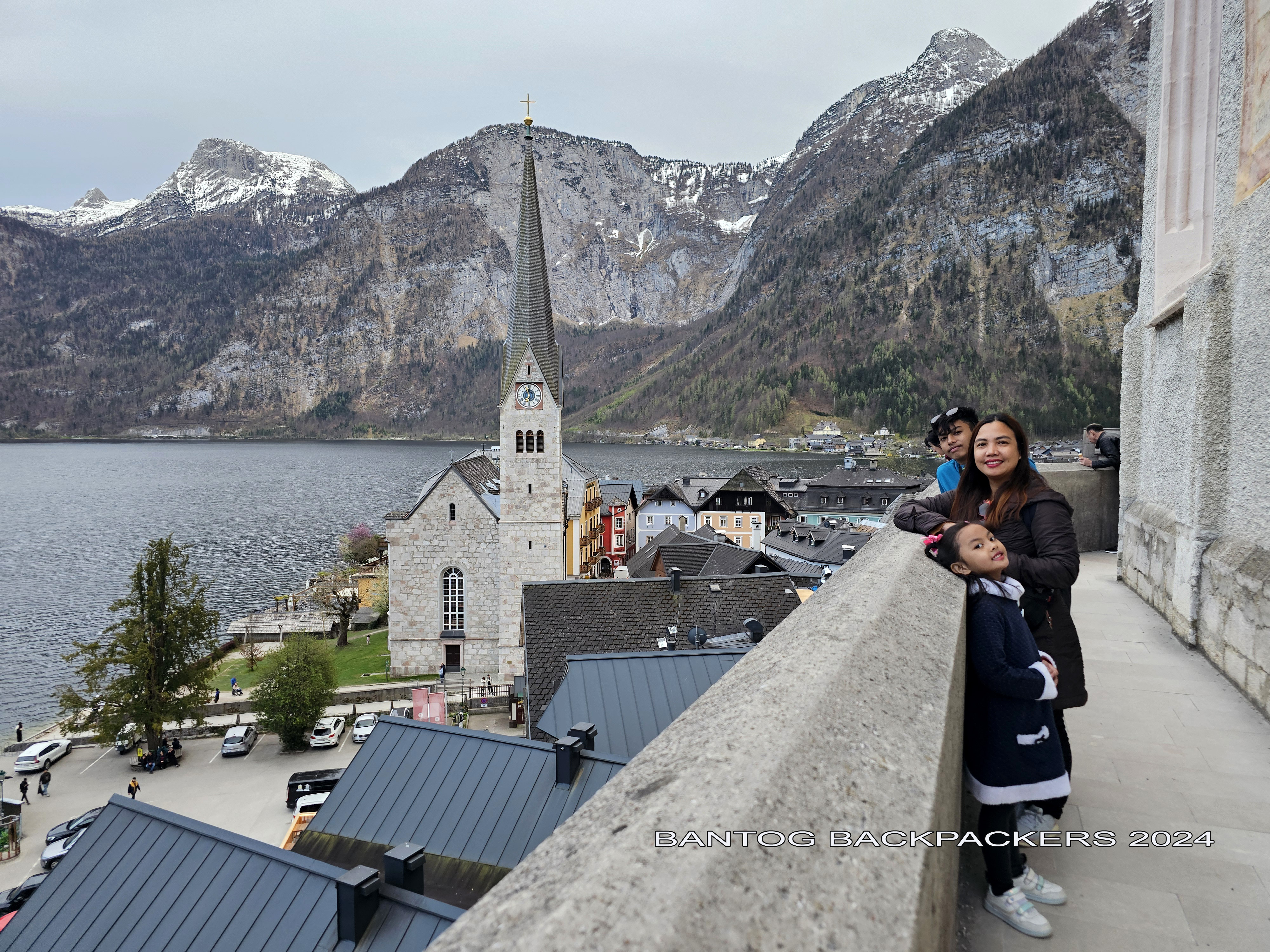
Hallstatt is a picturesque lakeside village in the Salzkammergut region of Upper Austria, surrounded by the magnificent Austrian Alps. It is famous for its breathtaking combination of towering mountains, crystal-clear Lake Hallstatt, historic churches, and charming houses built along the lakeshore. Because of its fairytale-like scenery, Hallstatt is often described as one of the most beautiful villages in Europe. Its appearance has also frequently been compared with the fictional kingdom of Arendelle from Disney’s Frozen, although there is no official confirmation that Hallstatt directly inspired the movie.


Before Hallstatt became a world-famous tourist destination, the local economy was closely connected to salt mining, farming, forestry, and traditional Alpine life. For centuries, the difficult mountainous landscape made transportation challenging. Visitors and residents once had to travel by boat or along narrow paths around the lake. Modern transportation gradually made Hallstatt more accessible: a road was completed in the 19th century, followed by the railway in 1877.
Hallstatt's unique combination of natural beauty and cultural heritage led to its inclusion in the UNESCO Hallstatt-Dachstein/Salzkammergut Cultural Landscape in 1997. UNESCO recognizes the region for its exceptional Alpine landscape and its long history of salt extraction and human settlement. The landscape demonstrates how people and nature have interacted for thousands of years
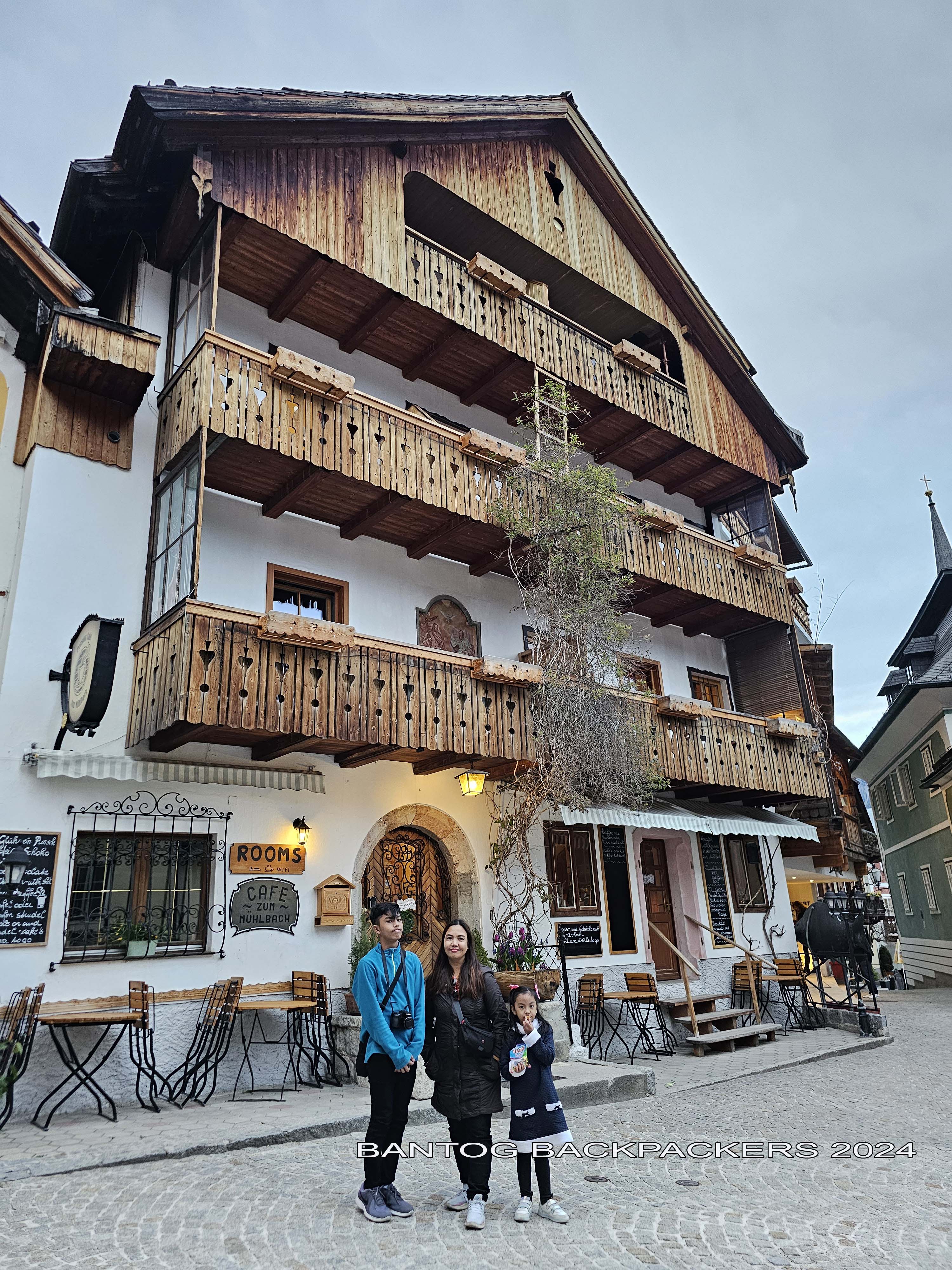
Walking through the Old Town of Hallstatt is like stepping into a postcard. Visitors can see colorful historic houses, narrow streets, traditional wooden buildings, and beautiful views of the lake and surrounding mountains. The Market Square (Marktplatz) is one of the most recognizable areas of the village, with its historic buildings, cafés, restaurants, and the Holy Trinity Fountain at its center.
One of Hallstatt's most fascinating attractions is the Hallstatt Ossuary, located in St. Michael's Chapel. The small chapel contains hundreds of decorated human skulls and bones, reflecting the community's distinctive burial traditions and the limited space available in the historic cemetery. Another important landmark is the Parish Church of the Assumption of Mary, which stands above the village and is known for its historic architecture and religious artwork.
Hallstatt also offers spectacular natural attractions. The Hallstatt Skywalk provides panoramic views over the village, Lake Hallstatt, and the surrounding Alpine landscape. Visitors can also explore the historic salt mines, where they can learn about the region's ancient mining traditions. The World Heritage Museum provides another opportunity to discover Hallstatt's approximately 7,000-year history, including its prehistoric settlement, salt mining, archaeology, and cultural development.
For visitors who enjoy nature, Waldbachstrub Waterfalls offer a beautiful excursion outside the village, while Badestrand Hallstatt provides an opportunity to enjoy the lakeside scenery. The surrounding Salzkammergut region is also known for its Alpine hiking trails, lakes, forests, and spectacular mountain landscapes.
Today, Hallstatt is internationally recognized not only for its beautiful scenery but also for its extraordinary connection between nature, history, archaeology, and traditional Alpine culture. Although it is a small village, its thousands of years of salt-mining history and its UNESCO World Heritage status have made it one of Austria's most famous cultural destinations.
Things to Do and See in Hallstatt
Hallstatt Skywalk – Enjoy panoramic views of the village, Lake Hallstatt, and the Alps.
Market Square (Marktplatz) – Explore the historic center of the village and its charming surrounding buildings.
Hallstatt Ossuary – Visit the historic bone house at St. Michael's Chapel.
Parish Church of the Assumption of Mary – See one of Hallstatt's historic churches and its religious artwork.
Badestrand Hallstatt – Relax beside Lake Hallstatt and enjoy the Alpine scenery.
World Heritage Museum Hallstatt – Learn about approximately 7,000 years of Hallstatt's history and culture.
Waldbachstrub Waterfalls – Discover a scenic natural attraction surrounded by Alpine landscape.
Hallstatt Salt Mine – Explore the area's ancient salt-mining heritage and learn how “white gold” shaped the community.
Lake Hallstatt – Enjoy the spectacular views of the lake, mountains, and village from the waterfront.
Explore the Old Town – Walk through the narrow streets and admire Hallstatt's traditional houses and historic architecture.









0 comments:
Post a Comment